

Cape Kidnappers / Te Kauwae-a-Māui gannet colony
Wildlife & walk · Cape Coast & Waimārama
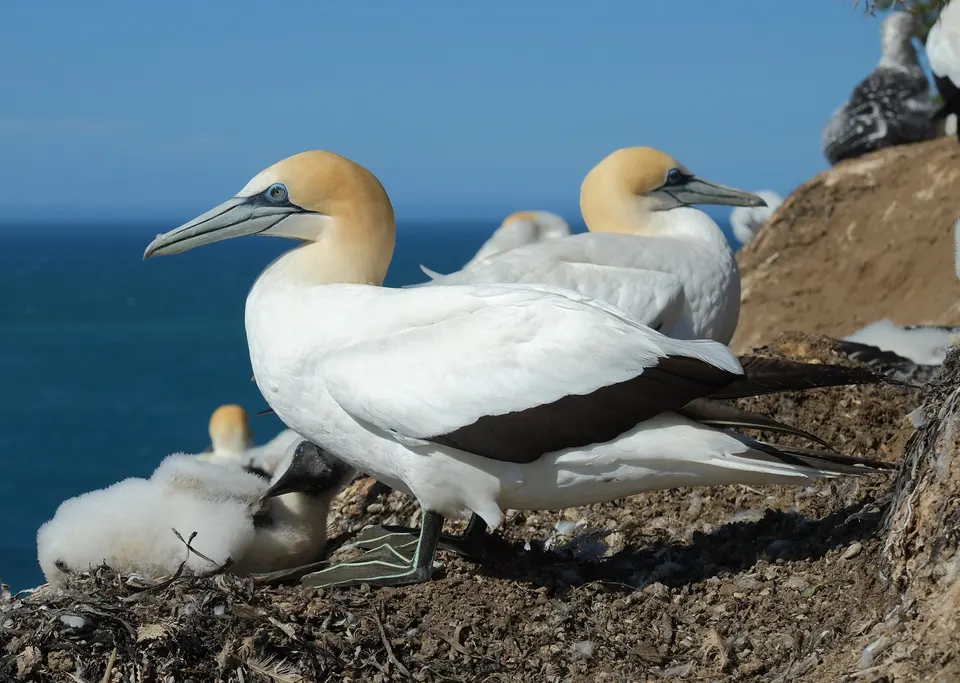
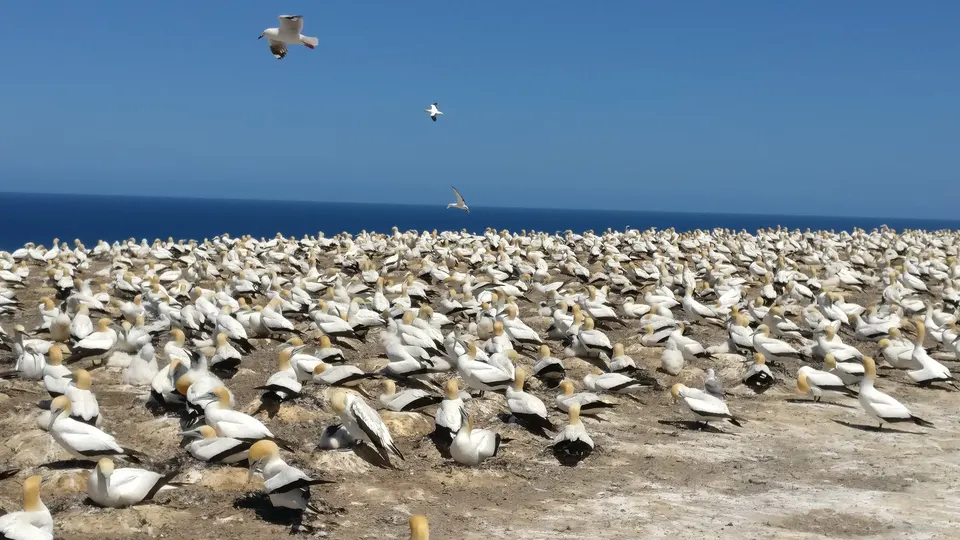
Cape Kidnappers / Te Kauwae-a-Māui, the headland at the southern end of Hawke Bay, has about 6,500 pairs of nesting Australasian gannets (takapu). You can walk there along the beach from Clifton, about 5 hours return and only around low tide, or join an overland tour across private farmland. The birds nest from mid-September.
Good to know
| Gannets | About 6,500 pairs of Australasian gannets (takapu), nesting here since the 1870s. |
|---|---|
| Best time | Early November to late February. Nesting starts in mid-September; the last chicks leave in May. |
| Beach walk | From Clifton, about 19 km and 5 hours return. DOC grade: Expert. |
| Tide rule | Leave Clifton at least 2 hours 30 minutes before low tide. Leave the Cape no later than 1 hour 30 minutes after low tide. |
| Plateau track | Closed every year from July until the week before Labour Weekend. |
| Dogs | Not allowed in the reserve. No horses, fires or camping either. |
| Tours | Guided overland tours cross private farmland to the plateau colony. |
When is gannet season at Cape Kidnappers?
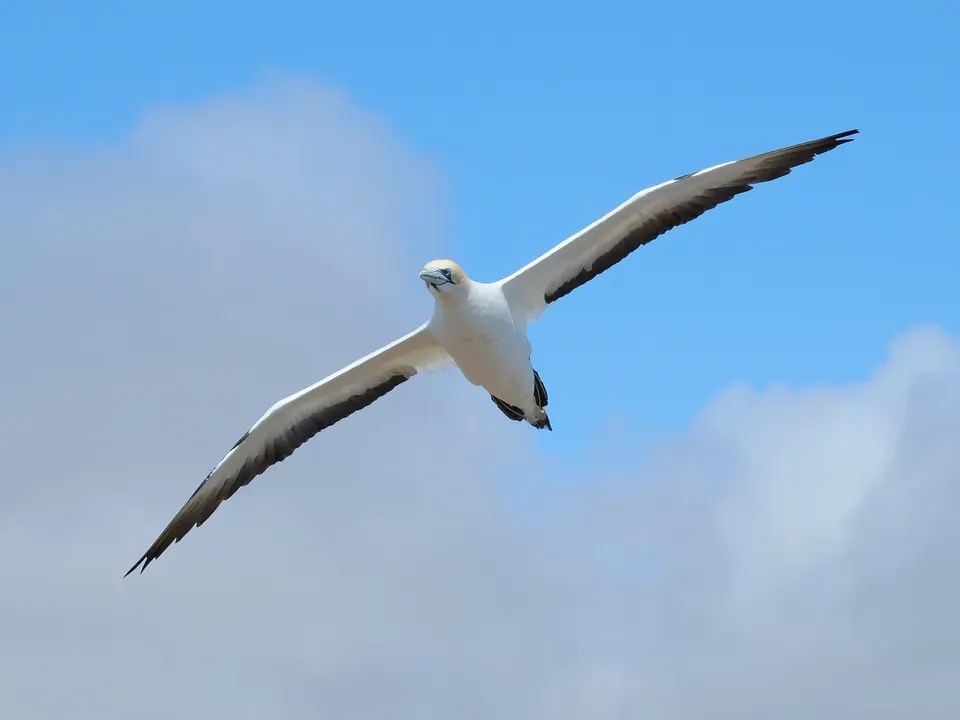
Australasian gannets, takapu in te reo Māori, have nested on the cape since the 1870s, and DOC puts the colony at about 6,500 pairs. Nesting runs from mid-September to mid-December, and the first chicks hatch in the first week of November. DOC says the best viewing is from early November to late February. The last young birds leave in May and fly to Australia.
The best place to see nesting birds is the Plateau colony, on private land. Stay behind the barriers, or at least 5 m from nesting gannets.
Can you walk to Cape Kidnappers, and how long is the walk?
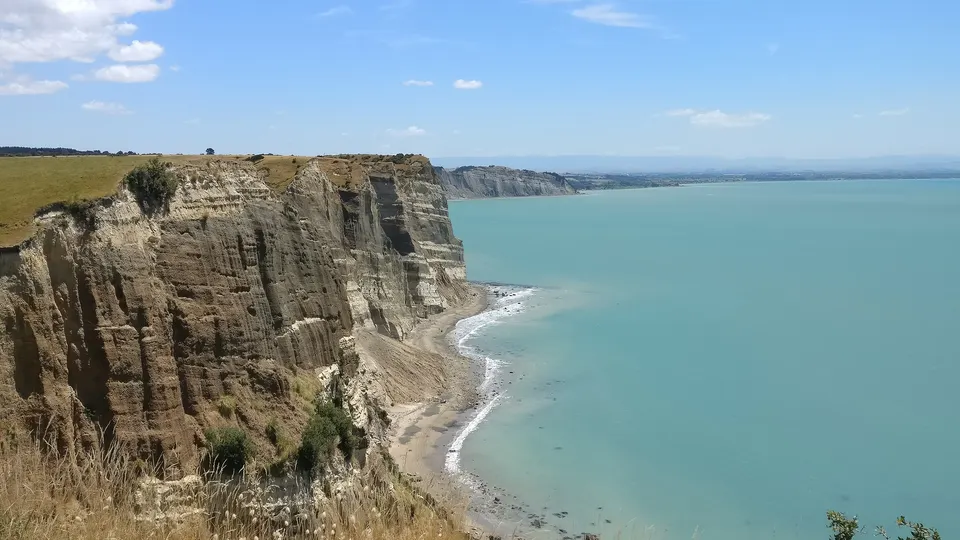
Yes. The DOC route follows the beach from Clifton to the cape, about 19 km return. DOC allows about 5 hours, with about 100 m of climbing, and grades it Expert. Black Reef is 7.5 km from Clifton. From the beach, a 1 km climb leads to a benched area with a view of the second colony; it is steep and rough and can be muddy and slippery.
The track from the beach up to the plateau colony is closed every year from July until the week before Labour Weekend, so the returning birds are not disturbed.
What are the Cape Kidnappers walk tide times, and how risky is it?
You can only walk the beach around low tide; high tides and big seas block the way. DOC’s route page says to leave Clifton at least 2 hours 30 minutes before low tide and to leave the Cape no later than 1 hour 30 minutes after low tide. DOC’s reserve page puts it a little differently: start from Scotmans Point at Clifton no sooner than three hours after high tide, allow at least 5 hours for the return walk, and leave the Cape no later than 1.5 hours after low tide. Check tide times for your day and tell someone your plans.
About 7 km of the beach runs under cliffs that drop rocks and landslides, and DOC compares the risk to mountain climbing. Large landslides that could kill someone happen every year and cannot be predicted; earthquakes and heavy rain make them more likely. A landslide seriously injured two visitors in January 2019.
DOC’s advice: do not climb the cliffs, do not stop or picnic near them, and spend as little time on the beach as you can. If fresh rockfall blocks the beach, turn back if the tide allows. Report new rockfalls to Hastings District Council, which may close the beach for a time after heavy rain or earthquakes. If a tsunami siren sounds or you get an alert, move to higher ground.
How do you get to the start at Clifton now?
Clifton is at the end of Clifton Road, about 18 km east of Hastings and 21 km south of Napier. The Clifton Motor Camp closed permanently in July 2026, and the former campground is fenced off. Hastings District Council says the beach can still be reached on foot from the end of Clifton Road, near the Clifton boat ramp, and that the walking track remains open.
Cars can no longer drive to the former first campground: a locked council gate past the Hygge cafe has blocked the road since July 2026 (1News, 20 October 2026). We could not find an official page that says where to park. Check the council’s Clifton Beach page and the alerts on DOC’s route page before you go.
Can you take a tour to the gannets?
Yes. If you do not want to walk the beach, DOC points to Gannet Safaris Overland, which drives visitors across private farmland to the plateau colony, and says local tourism operators can also take you to the colony and back. Nobody pays to be on this site, so we do not rank or recommend operators. Check seasons, times and prices with the operator.
Questions about Cape Kidnappers / Te Kauwae-a-Māui gannets
How long is the Cape Kidnappers walk?
About 19 km return along the beach from Clifton. DOC allows about 5 hours, and you have to fit the walk around low tide.
When is the best time to see the gannets?
DOC says early November to late February. The birds start nesting in mid-September, and the first chicks hatch in early November.
Can you take a dog to Cape Kidnappers?
No. Dogs and horses are not allowed in the reserve.
Why is it called Cape Kidnappers / Te Kauwae-a-Māui?
James Cook named the cape after a clash on 15 October 1769, when Māori in waka tried to free a boy from the Endeavour they believed was held captive. Te Kauwae-a-Māui recalls Māui’s fishing hook. The dual name became official in 2018 under the Heretaunga Tamatea Claims Settlement Act 2018.
Sources
Checked 19 November 2026 against these sources. Rules, prices and times change, so check the official page before you go. How we check facts
- DOC: Cape Kidnappers / Te Kauwae-a-Māui Gannet Reserve
- DOC: Cape Kidnappers / Te Kauwae-a-Māui Route
- DOC: Managing visitor risk at Cape Kidnappers
- Hastings District Council: Clifton Beach
- Hastings District Council: Cape Kidnappers landslide
- 1News: Boulders put in as barrier at abandoned Clifton camp (20 October 2026)
- RNZ: Hawke’s Bay campground evacuated due to landslide risk (13 February 2026)
- Hawke’s Bay Today: Can I go to Cape Kidnappers this summer? (11 December 2023, 19 km return)
- Hawke’s Bay Tourism: Gannet Safaris Overland
- Gannet Safaris Overland
- LINZ: Cape Kidnappers / Te Kauwae-a-Māui
- New Zealand Gazette: New and altered geographic names, Heretaunga Tamatea Claims Settlement Act 2018
- Heretaunga Tamatea Claims Settlement Act 2018
- Wikipedia: Cape Kidnappers (coordinates)