

Hastings heritage walk: Spanish Mission and Art Deco
History · Hastings & Havelock North
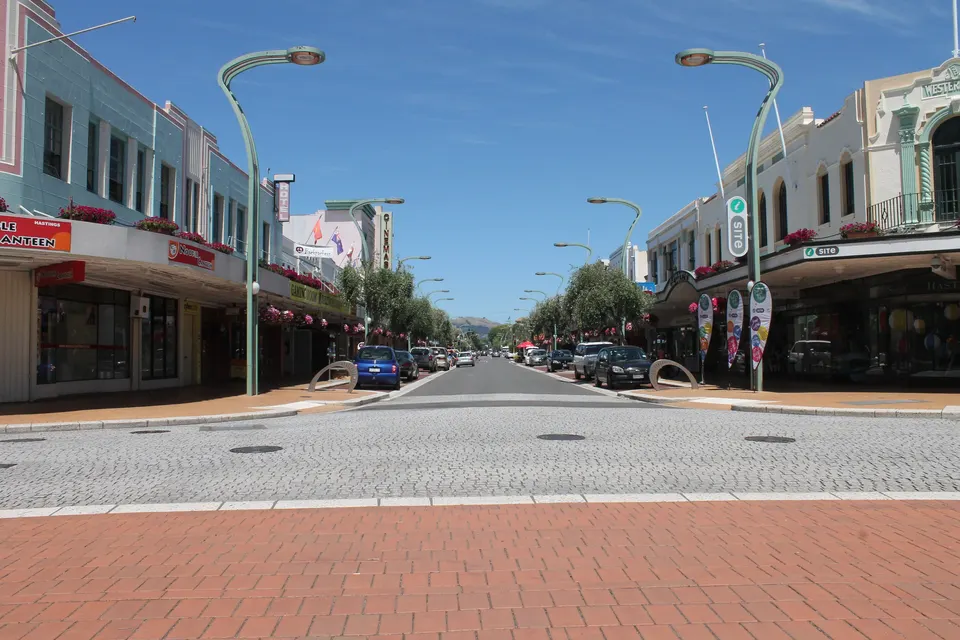
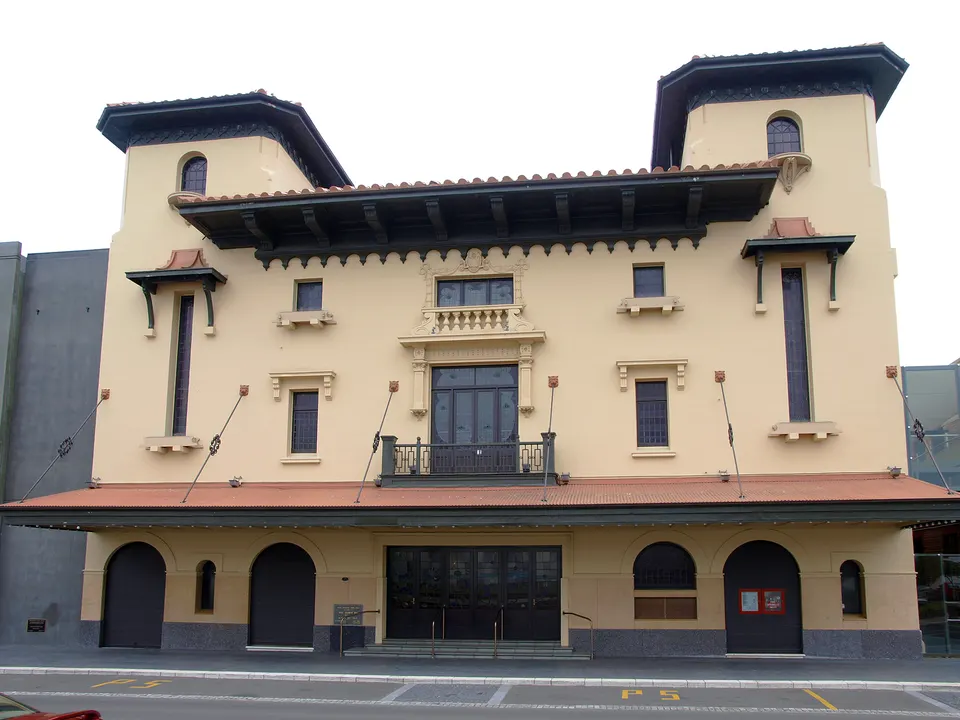
Much of Hastings’ city centre was rebuilt after the 1931 earthquake in Spanish Mission and Art Deco style. You can see the best of it on a free, self-guided stroll along Heretaunga Street and Russell Street, starting at the Hastings i‑SITE in the former Municipal Buildings. All the buildings are seen from the footpath.
Good to know
| Where | Hastings city centre, along Heretaunga Street and Russell Street |
|---|---|
| Start | Hastings i‑SITE, ground floor of the former Municipal Buildings, Heretaunga Street East |
| Styles | Spanish Mission, Art Deco and Stripped Classical, mostly from the rebuild after 1931 |
| Heritage listing | Russell Street Historic Area (Heritage New Zealand List No. 7020) and several listed buildings |
| Cost | Free; the buildings are viewed from the street |
Why does Hastings have so many Spanish Mission buildings?
The Hawke’s Bay earthquake of 3 February 1931 badly damaged the masonry buildings of central Hastings. Heritage New Zealand says local architects and architects from the main centres worked together to assess the damage and design new buildings, and that because of the Depression the rebuild had to be practical and low-cost.
The Spanish Mission style was already in use in Hastings before the earthquake and suited its warm, sunny climate, Heritage New Zealand says. Architects mixed it with Art Deco and with Stripped Classical, a plain style that gave economical, sound buildings some presence.
Which buildings should you see on a Hastings heritage walk?
We found no current official walk map, but these Heritage New Zealand List entries are all on or next to Heretaunga Street, so you can see them in one easy loop on foot.
| Building | Address | Built | Style and listing |
|---|---|---|---|
| Hastings Municipal Buildings (former) | 101 Hastings Street South and 319–325 Heretaunga Street East | 1916–17, repaired after 1931 | Edwardian Baroque, by Albert Garnett. Category 1. Home to the Hastings i‑SITE and part of the Hawke’s Bay Opera House complex. |
| Westerman’s Building (former) | 101 Heretaunga Street East, corner of Russell Street | From 1931 | Spanish Mission, by Edmund Anscombe. Category 1. Probably the first major building finished in Hastings after the earthquake. |
| Russell Street Historic Area | Russell Street, from Eastbourne Street to Queen Street | Mostly 1930s | A row of one- and two-storey Spanish Mission and Art Deco shops. Listed historic area since 16 December 1994. |
| Central Building | 201 Heretaunga Street West, corner of Market Street North | 1934 | Stripped Classical, by Edmund Anscombe. Category 2. |
| Villa d’Este | 341–351 Heretaunga Street West | 1929, rebuilt 1932 | Spanish Mission arcade on the first floor, by Albert Garnett. Category 2. |
Most of these buildings are shops and offices in private hands, so admire them from the footpath.
Are there guided heritage walks in Hastings?
Sometimes. During the Art Deco Festival, Hastings District Council has promoted guided walks of the city centre led by a local historian, covering how the 1931 earthquake changed it (February 2022). Hawke’s Bay Tourism’s Art Deco guide notes that Hastings has a large collection of Art Deco, Spanish Mission and Stripped Classical buildings. For tours on the day you visit, ask at the Hastings i‑SITE.
Questions about Hastings heritage walk
Is the Hastings heritage walk free?
Yes. You walk past the buildings on public streets, and there is nothing to pay.
Why does Hastings have Art Deco and Spanish Mission buildings?
Much of the city centre was rebuilt after the earthquake of 3 February 1931. Architects used Spanish Mission, already popular in Hastings, together with Art Deco and Stripped Classical.
Where should the walk start?
The Hastings i‑SITE, in the former Municipal Buildings on Heretaunga Street East, is a good start: the building itself is a Category 1 heritage building.
Sources
Checked 19 November 2026 against these sources. Rules, prices and times change, so check the official page before you go. How we check facts
- Heritage New Zealand: Russell Street Historic Area (List No. 7020)
- Heritage New Zealand: Westerman’s and Co. Building (Former) (List No. 178)
- Heritage New Zealand: Hastings Municipal Buildings (Former) (List No. 177)
- Heritage New Zealand: Central Building (List No. 1073)
- Heritage New Zealand: Villa d’Este (List No. 1103)
- Hastings District Council: i‑SITE visitor centres
- Hastings District Council: Hastings set to show off its deco heritage (16 February 2022)
- Hawke’s Bay Tourism: The Art Deco guide
- Wikipedia: Hastings, New Zealand (coordinates)