

Hawke’s Bay wineries: districts, cellar doors, tips
Stay Hawke’s Bay travel guide · checked 19 November 2026
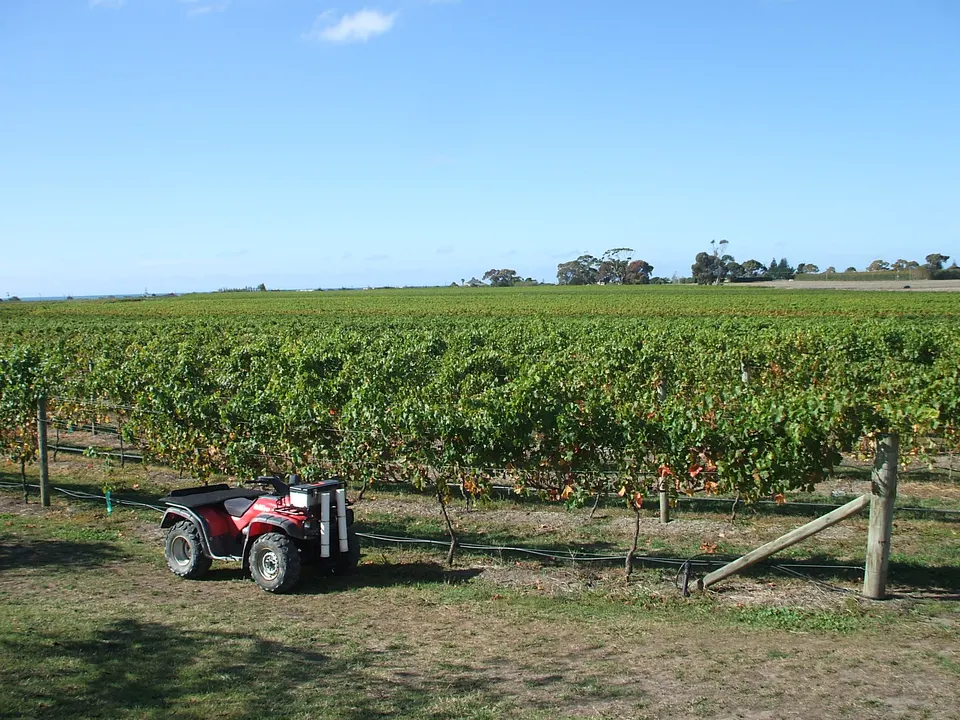
Hawke’s Bay is New Zealand’s second-largest wine region, with about 4,400 ha of vines, known for red blends, Syrah and Chardonnay. About 30 cellar doors are spread from the Esk Valley north of Napier to the Gimblett Gravels west of Hastings and the coast at Te Awanga. Visit with a sober driver, on a tour or by bike.
Key facts
| Producing vineyards | 4,411 ha in 2026, about 10% of New Zealand’s total (New Zealand Winegrowers) |
|---|---|
| Biggest varieties | Sauvignon Blanc, Chardonnay, Merlot, Pinot Gris, Syrah |
| Known for | Red blends, Syrah and Chardonnay; about 90% of New Zealand’s Syrah, Merlot and Cabernet (Hawke’s Bay Wine) |
| Wineries | More than 100; Hawke’s Bay Wine lists 31 cellar doors |
| First vines | 1851, planted by Marist missionaries |
| Great Wine Capitals | Member since May 2023, the network’s 12th Great Wine Capital |
| Drink-driving | Zero limit under 20; 250 micrograms per litre of breath for drivers 20 and over |
How big is the Hawke’s Bay wine region?
New Zealand Winegrowers calls Hawke’s Bay the country’s second-largest wine region. Its Vineyard Report 2026 gives 4,411 ha of producing vines in Hawke’s Bay, about 10% of the national total of 43,321 ha. That was a little less than the 4,454 ha recorded in 2025.
The region has been making wine for a long time. New Zealand Winegrowers says Marist missionaries planted the first vines in 1851, and Hawke’s Bay Tourism calls it New Zealand’s oldest wine region. Hawke’s Bay Wine, the regional winegrowers’ association, was formed in 2007 and says the region has more than 100 wineries, from small family producers to large national brands.
You will see different counts. Hawke’s Bay Tourism says more than 200 vineyards, more than 100 wineries and more than 35 cellar doors. New Zealand Winegrowers’ 2026 report lists 189 vineyards (a 2025 count) in its register, which counts vineyard sites in a different way. Hawke’s Bay Wine’s own visitor page lists 31 cellar doors.
In May 2023 Hawke’s Bay became the 12th member of the Great Wine Capitals, an international network of wine regions that includes Bordeaux, Napa Valley and Adelaide.
What grapes grow in Hawke’s Bay?
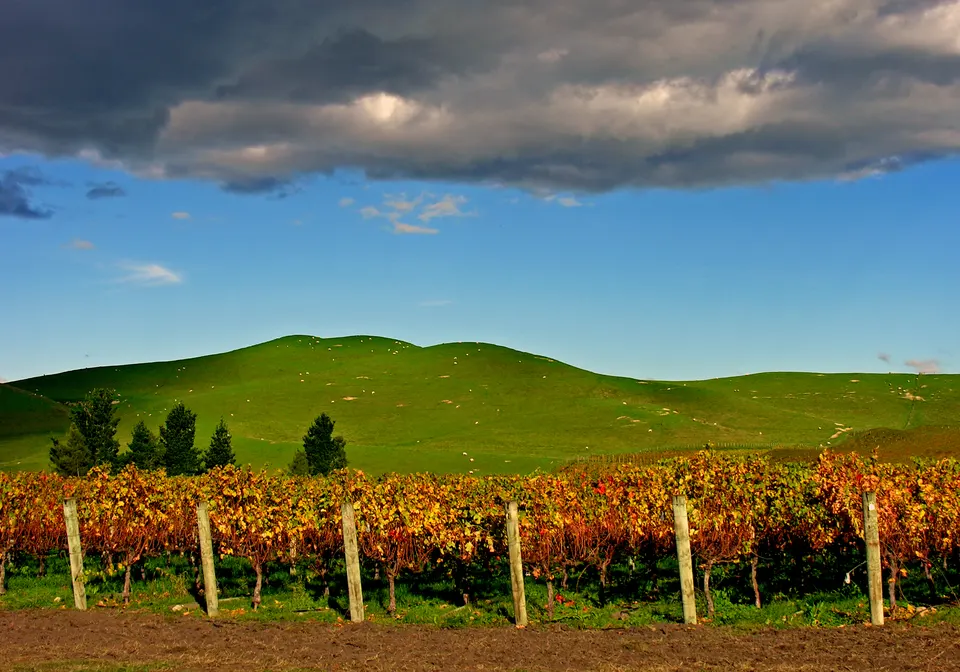
Hawke’s Bay Wine says 38 grape varieties are grown here, and that the region is best known for red blends and Chardonnay. It also says Hawke’s Bay grows about 90% of New Zealand’s Syrah, Cabernet and Merlot. By area, Sauvignon Blanc and Chardonnay are the largest plantings.
| Variety | Producing area 2026 |
|---|---|
| Sauvignon Blanc | 1,150 ha |
| Chardonnay | 983 ha |
| Merlot | 721 ha |
| Pinot Gris | 666 ha |
| Syrah | 284 ha |
| Pinot Noir | 184 ha |
| Cabernet Sauvignon | 152 ha |
Figures are rounded from New Zealand Winegrowers’ Vineyard Report 2026. Other varieties make up the rest of the 4,411 ha.
New Zealand Winegrowers says the sea breezes temper hot summer days, and the long autumn lets late-ripening reds such as Cabernet Sauvignon, Merlot and Syrah ripen fully. Frost can be a risk at some inland sites.
What are the Hawke’s Bay wine districts?
Hawke’s Bay Wine divides the region loosely into five growing areas: the coast, the hillsides, the alluvial plains, the river valleys and Central Hawke’s Bay. Within those, several smaller districts have their own names. These are the ones you will see most often on labels and maps:
| District | Where | What makes it different |
|---|---|---|
| Gimblett Gravels | West of Hastings, on the Heretaunga Plains | An 800 ha district defined by the gravels of the old Ngaruroro River, exposed after a large flood in the 1860s. Known for full-bodied reds and Syrah. Its winegrowers’ association dates from 2001. |
| Bridge Pā Triangle | Next to the Gimblett Gravels, roughly between Ngatarawa Road, State Highway 50 and Maraekakaho Road | The oldest soils on the Heretaunga Plains: free-draining, low-fertility sandy loams over red metal gravels. |
| Te Awanga and the coast | Along the coast south of Napier, around Haumoana and Te Awanga | Ocean influence and a long growing season. Gravelly and sandier soils known for Chardonnay and early-ripening reds such as Pinot Noir. |
| Esk Valley and Bay View | The northern end of the wine region, north of Napier | Grouped with the coastal areas by New Zealand Winegrowers. Great Wine Capitals describes clay and limestone on steep hillsides. |
| Havelock Hills | Around Havelock North | North-facing slopes; Great Wine Capitals describes clay and limestone soils. |
| Central Hawke’s Bay | Inland and further south, up to about 300 m above sea level | Cooler conditions that suit Sauvignon Blanc, Pinot Gris and Pinot Noir. |
Hawke’s Bay Wine’s region map also names the Dartmoor Valley, the Tuki Tuki Valley and the inland Terraces, such as Crownthorpe and Mangatahi. Only the Gimblett Gravels is defined by a set soil type; the other names and borders are looser.
On our site, wineries in the Gimblett Gravels and the Bridge Pā Triangle belong to our Hastings & Havelock North area, and wineries at Te Awanga to the Cape Coast & Waimārama area.
Where are the cellar doors?
The cellar doors are spread across the region rather than along one road. Hawke’s Bay Tourism’s guide groups them like this:
For an up-to-date list with addresses, use Hawke’s Bay Wine’s cellar door list and region map, or Hawke’s Bay Tourism’s cellar door guide. Both are linked in the sources below. We do not rank wineries, and we do not name single cellar doors here because ownership and opening arrangements change.
- Esk Valley, Bay View and Ahuriri, north of central Napier
- Taradale and around, including Meeanee, Puketapu and Crownthorpe
- The Gimblett Gravels
- The Bridge Pā Triangle
- Hastings and Havelock North, including Te Mata Road
- Te Awanga on the coast
- Central Hawke’s Bay
How do cellar door visits work in Hawke’s Bay?
Each winery sets its own rules. Hawke’s Bay Tourism notes that some cellar doors open only by appointment, and some take bookings for groups only. Whether a tasting costs money, and how much, also differs from one cellar door to the next. Hawke’s Bay Tourism sends visitors to each winery’s own website for current hours, fees and booking details, and we suggest you do the same before you set off.
If you want lunch at a winery restaurant, or you are coming as a group, book ahead.
Can you cycle to Hawke’s Bay wineries?
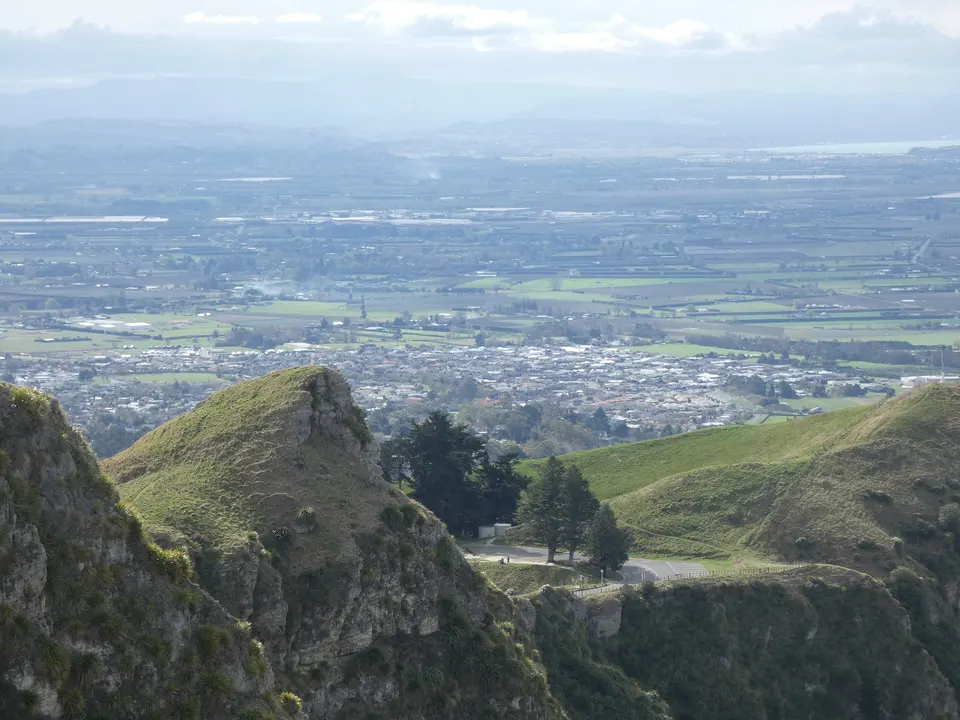
Yes. The Wineries Ride of the Hawke’s Bay Trails is 46 km long and runs through the Bridge Pā Triangle, the Gimblett Gravels and the Ngatarawa area west of Hastings. It is mostly flat, on lime-sand paths with some road sections. Hawke’s Bay Wine suggests hiring an e-bike and riding the trails that link the wineries.
The official trail map marks the cellar doors that are official trail partners. The Hawke’s Bay Trails website lists several bike hire and tour companies, including some that run guided winery rides. On the Napier side, the trail website suggests an easy ride of about 24 km return from Ahuriri via Taradale to two wineries.
See our guide to the Hawke’s Bay Trails for lengths, surfaces and trail updates.
What is the drink-driving limit in New Zealand?
If you are 20 or older, the limit is 250 micrograms of alcohol per litre of breath, or 50 milligrams of alcohol per 100 millilitres of blood. If you are under 20, the limit is zero, so even one drink can lead to a charge.
Tasting portions add up over a day of cellar doors. Choose a sober driver, take a tour, or use a taxi or shuttle. goBay buses serve Napier, Taradale, Hastings, Flaxmere and Havelock North, so check whether there is a stop near the cellar door you want.
Questions
How many wineries are there in Hawke’s Bay?
Hawke’s Bay Wine says more than 100. Its visitor page lists 31 cellar doors, and Hawke’s Bay Tourism says more than 35.
What wine is Hawke’s Bay known for?
Red blends based on Merlot and Cabernet, Syrah and Chardonnay. Hawke’s Bay grows about 90% of New Zealand’s Syrah, Merlot and Cabernet, according to Hawke’s Bay Wine.
Where are the Gimblett Gravels?
West of Hastings on the Heretaunga Plains. The 800 ha district is defined by gravels left by the old course of the Ngaruroro River.
Can you cycle between wineries in Hawke’s Bay?
Yes. The Wineries Ride of the Hawke’s Bay Trails is 46 km and passes through the Bridge Pā Triangle and the Gimblett Gravels. Several companies hire bikes; see the official trails website.
Do you need to book wine tastings in Hawke’s Bay?
At some cellar doors, yes. Some open only by appointment or take groups by booking only. Check each winery’s website before you go.
Sources
Checked 19 November 2026 against these sources. Rules, prices and times change, so check the official page before you go. How we check facts
- New Zealand Winegrowers: Hawke’s Bay region
- New Zealand Winegrowers: Hawke’s Bay region fact sheet (PDF)
- New Zealand Winegrowers: Vineyard Report 2026 (PDF)
- Hawke’s Bay Wine: about (history, wineries, varieties, Great Wine Capitals)
- Hawke’s Bay Wine: our region
- Hawke’s Bay Wine: our sub-regions
- Hawke’s Bay Wine: soil types
- Hawke’s Bay Wine: plan your visit (cellar door list)
- Hawke’s Bay Wine: region map
- Hawke’s Bay Wine: Great Wine Capitals
- Great Wine Capitals: exploring the subregions of Hawke’s Bay wine (5 February 2025)
- Gimblett Gravels Winegrowers Association
- Bridge Pa Triangle Wine District
- Hawke’s Bay Tourism: the complete guide to winery cellar doors in Hawke’s Bay
- Hawke’s Bay Trails: trail map (PDF)
- Ngā Haerenga New Zealand Cycle Trail: Hawke’s Bay Trails
- Hawke’s Bay Trails: trail accessibility
- Hawke’s Bay Trails: bike hire and tours
- NZTA Road Code: alcohol and drugs limits